Statement of Intent
At Forest Hall Primary School we believe that every pupil can achieve in mathematics. We aim to spark curiosity, build enjoyment and nurture confident, successful learners. Children are encouraged to explore, question and reason, developing a secure understanding of key concepts through practical experiences and focused discussions.
Our curriculum is designed to meet the aims of the National Curriculum by providing opportunities for all children to develop fluency and flexibility in mathematical thinking and to be confident problem solvers. We help children to recognise the importance of maths in the wider world and provide the skills which can be applied across the curriculum and in their everyday lives.
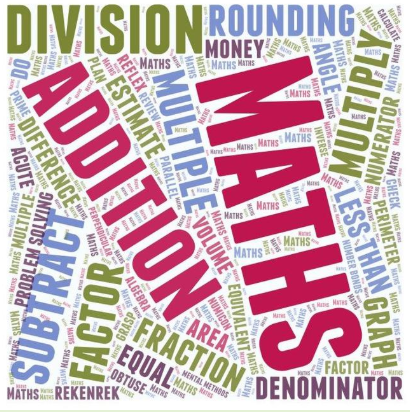
Maths at Forest Hall Primary School
Our aim is to equip all pupils with the skills and confidence to solve a range of problems through fluency with numbers and mathematical reasoning. Alongside these key skills, we also strive to instil in our children a love of maths; the ability to see the possibilities and creativity in the maths around us, to be intrigued and to wonder about maths.
At Forest Hall Primary School we are making good progress on our mastery journey to improve the teaching and learning of mathematics. Using this approach, which involves small steps with varied representations and structures, we are confident that we are building solid foundations from which our pupils can grow as mathematicians.
Our school is part of the Teaching for Mastery programme run by Great North Maths Hub. Through attending Teacher Research Groups supported by a Mastery Specialist, we are constantly developing our classroom practice using research based pedagogy.
The three aims of the NC – Fluency, Reasoning and Problem Solving - should be addressed every day.
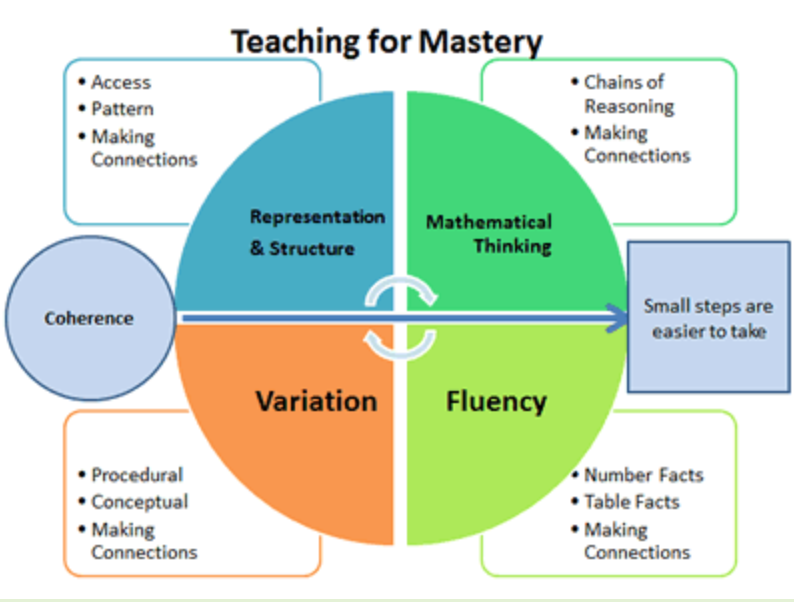
Lessons
Whole class together – we teach mathematics to whole classes. Lessons are planned based on formative assessment of what pupils already know and we include all children in learning mathematical concepts. At the planning stage, teachers consider what scaffolding may be required for children who may struggle to grasp concepts in the lesson, and suitable challenge questions for those who may grasp the concepts rapidly. Decisions are not made about who these children may be prior to the lesson.
Longer and deeper – in order to address the aims of the NC, our long/medium term plans have been adjusted to allow longer on topics. Each lesson focus is on one key conceptual idea and connections are made across mathematical topics. The pace of the lessons varies, depending on the focus, to allow for deeper understanding. Questions probe pupil understanding throughout and responses are expected using precise mathematical vocabulary.
Difficult areas and possible misconceptions are identified during the planning process and children will be supported through these.
Our planning format reflects the structure and ingredients of a mastery lesson, with a focus on visual representations and questioning.
Fluency - There is a whole school focus on developing an instant recall of key facts, such as number bonds and times tables. However, we recognise that fluency is not just about remembering facts so we develop all aspects of fluency in lessons - accuracy, flexibility and efficiency.
Lesson Structure
- Maths Mash Up (approx 20 minutes) – a short session which provides regular opportunities to revisit concepts and to make connections between different aspects of maths. The session can involve: mental calculation strategies and discussion (in the style of Number Talks); recapping and revisiting previous learning; pre-teaching; reasoning and problem solving activities. A key focus here is the use of mathematical language to reason and explain. Some of this work may be recorded in books. From Reception to Year 2, children follow the Mastering Number programme in place of Maths Mash Up, which develops a strong sense of number with fluency and flexibility.
- Main lesson
Carefully chosen representations (manipulatives and images) are used by all year groups and abilities to explore concepts. These representations will appear in books as children show their understanding.
Teachers use a small steps approach to allow the concepts to be understood by all children.
Teachers use questioning throughout every lesson to check understanding and dig deeper. Children are asked to explain their thinking and errors are valued as an opportunity to clarify misconceptions.
Discussion and feedback – pupils have opportunities to talk to their partners and explain/clarify their thinking throughout the lesson.
Greater depth – Children who grasp concepts quickly are given the opportunity to “go deeper” rather than move into the next year group objectives. Challenge can take a number of forms, e.g. giving or writing a clear explanation of a problem or concept; children devising their own related problem; reversing a problem; finding an alternative solution/method or teaching a friend.
SEND pupils will be supported by access the learning with additional adults, different resources or adapted activities, as appropriate.
A. Tyas
Maths Lead
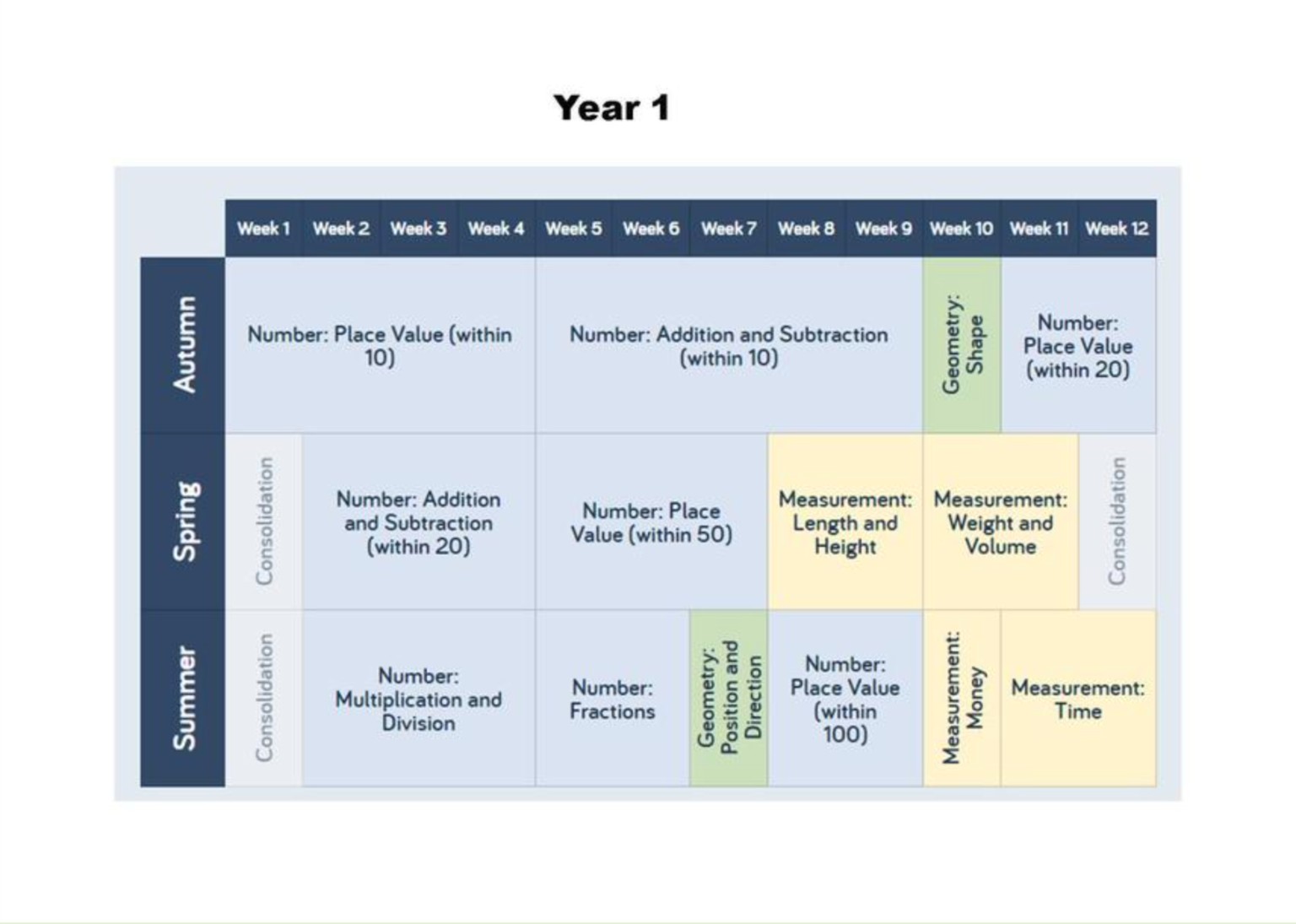
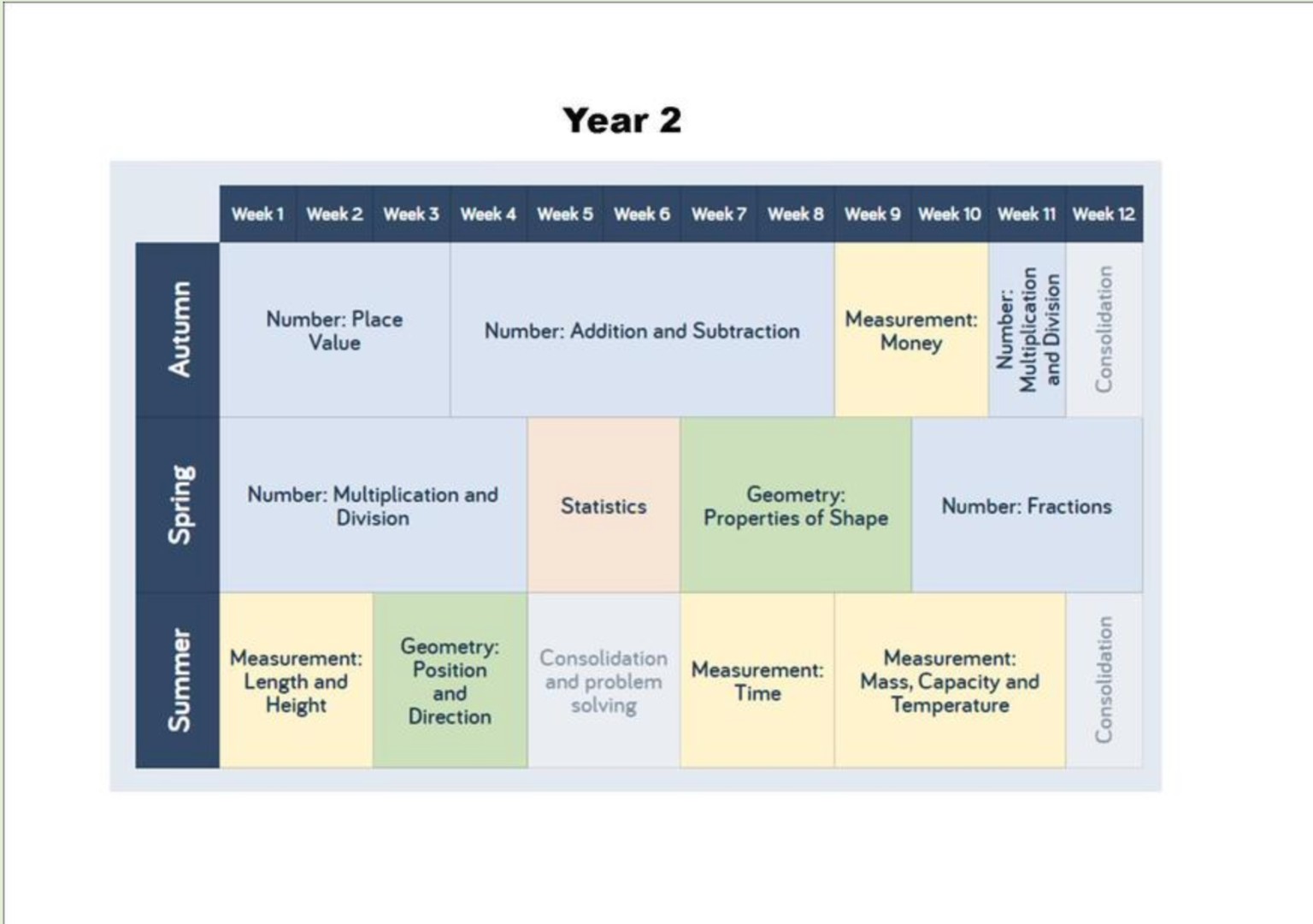
Our long term planning is based on the White Rose Maths overview for each year group and is adapted to the needs of the children in each class
Curriculum Overview Year 1 to Year 6
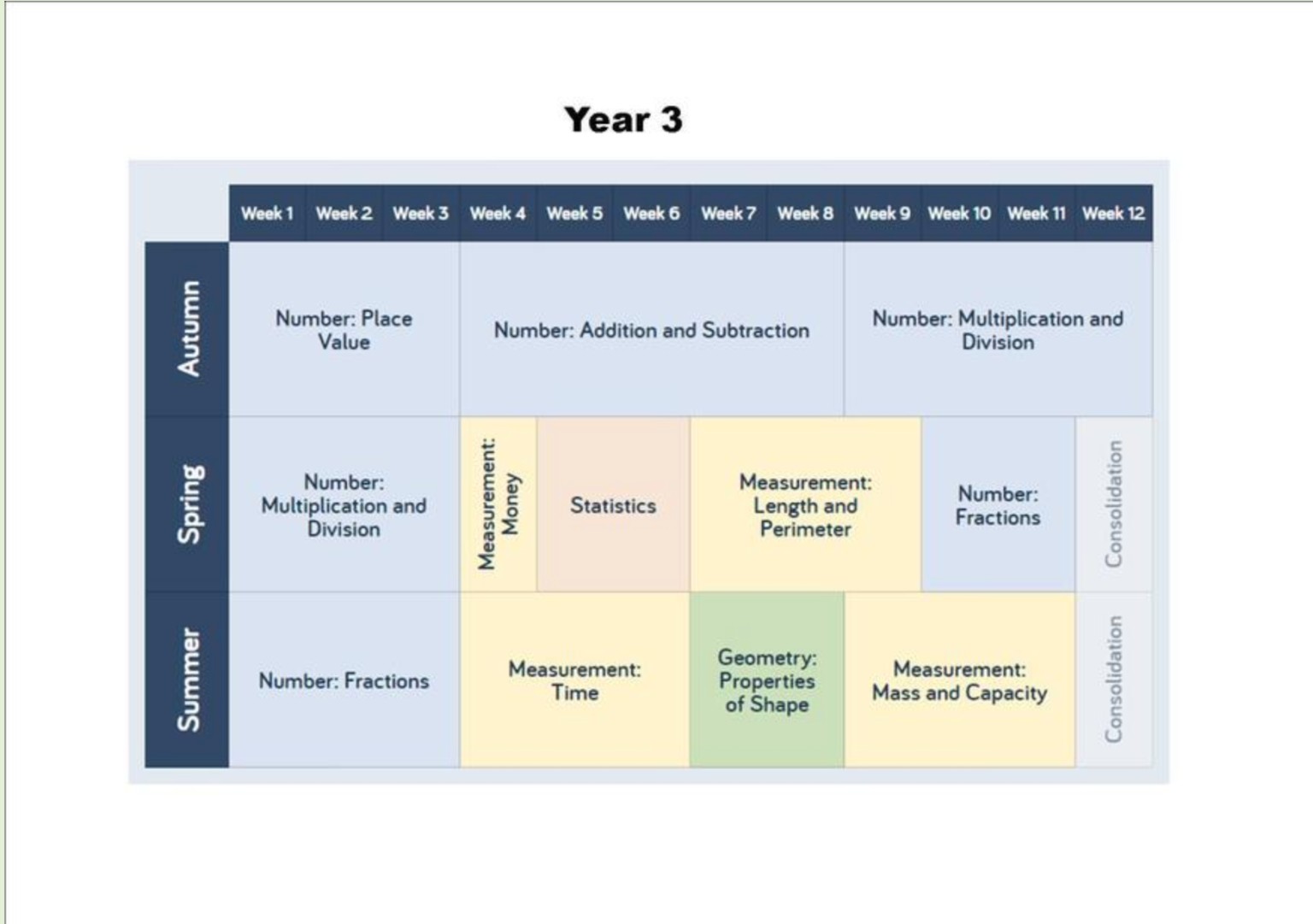
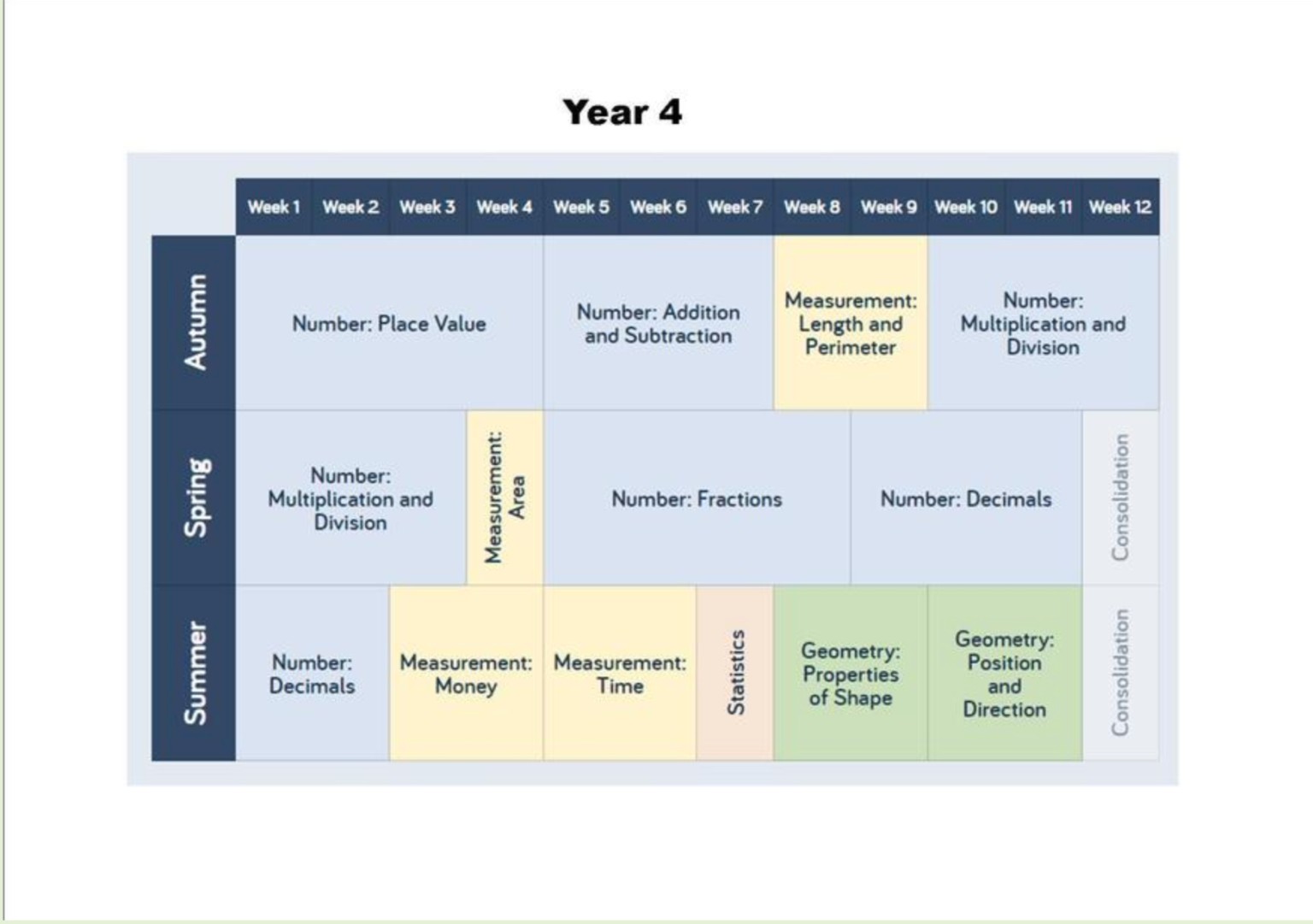
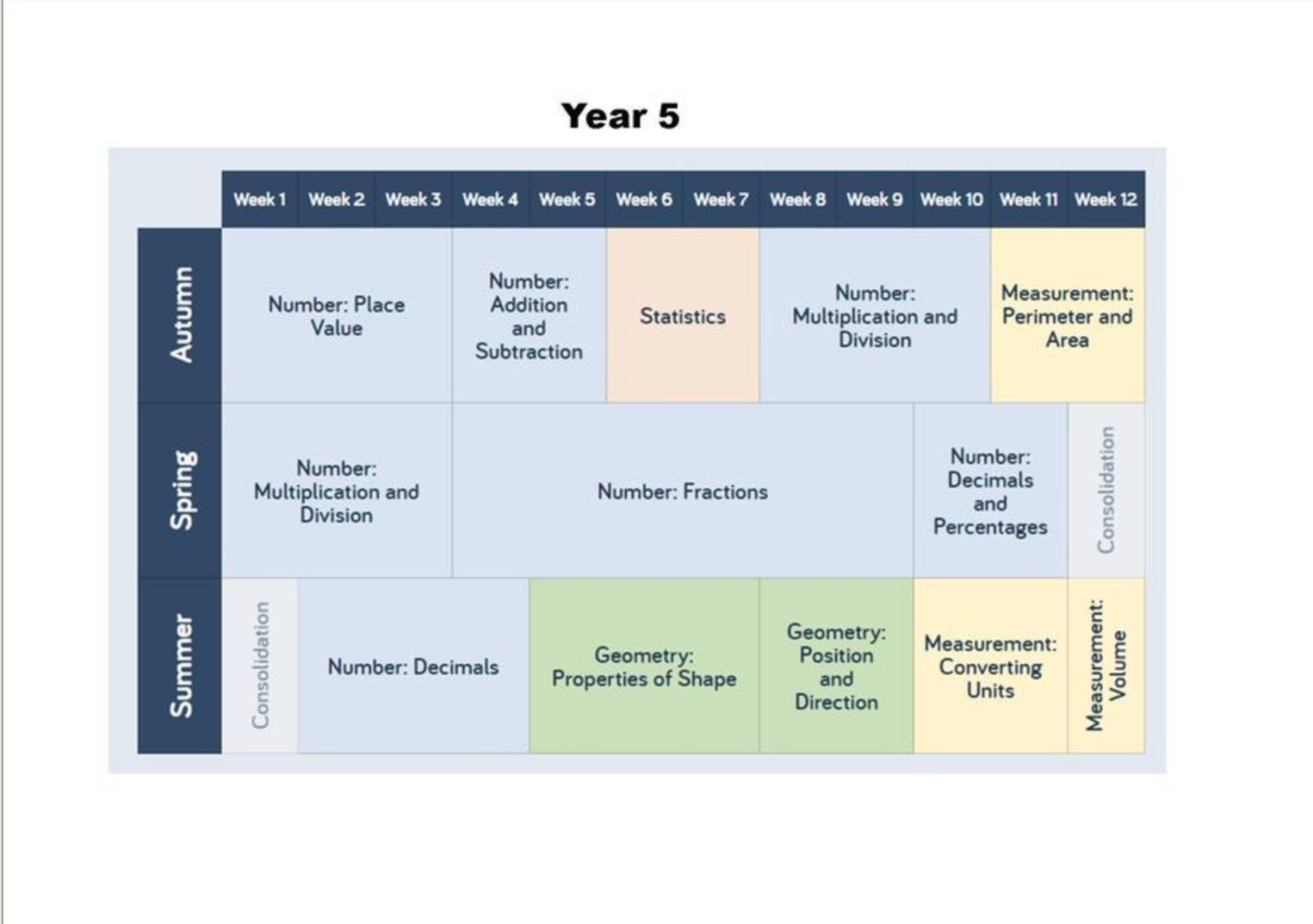
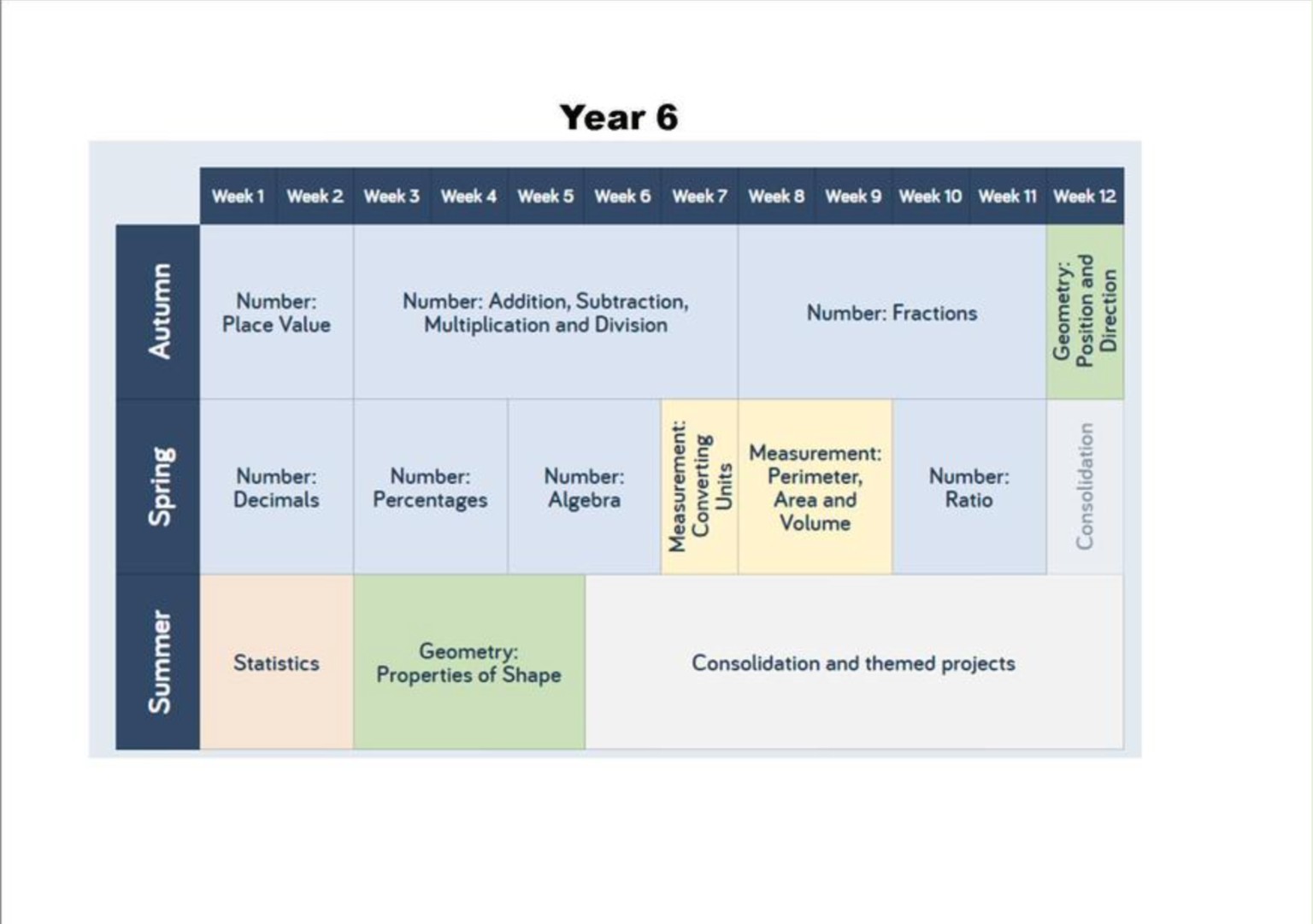
Curriculum Prioritisation
At Forest Hall Primary School we regularly consider how our curriculum meets the needs of our children then adapt the order, time allocated and starting step for teaching key concepts accordingly.
We have focused our efforts on the core knowledge that children need to secure by the end of each year and redesigned our
Maths Non Negotiables to reflect the DfE Primary National Curriculum Guidance 2020 ready-to-progress criteria.
Maths Lead:
Mrs A Tyas
Hands on maths
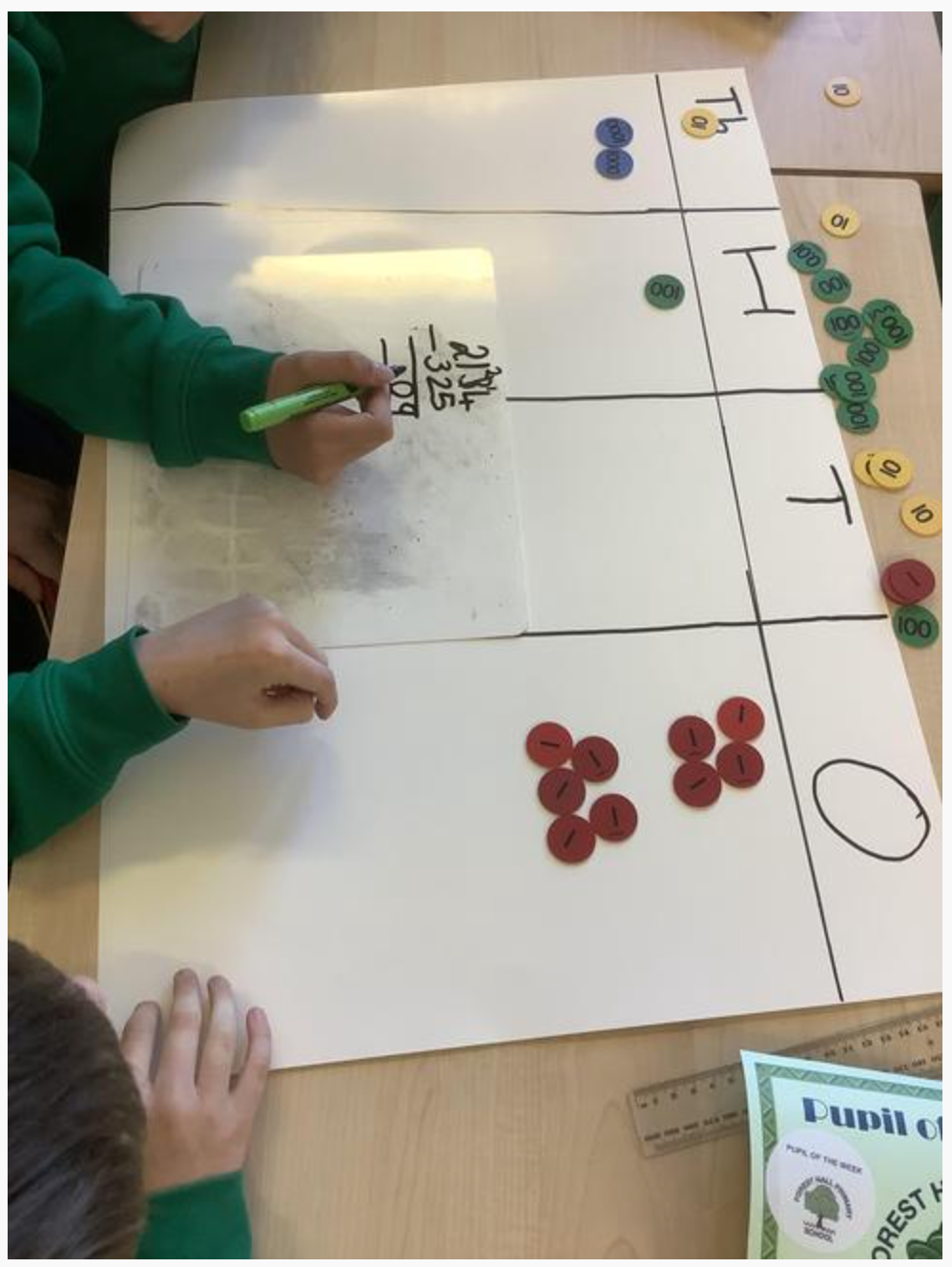
We use a wide range of manipulatives in maths from Nursery up to Year 6 to support our understanding of mathematical concepts and to embed our learning.
-
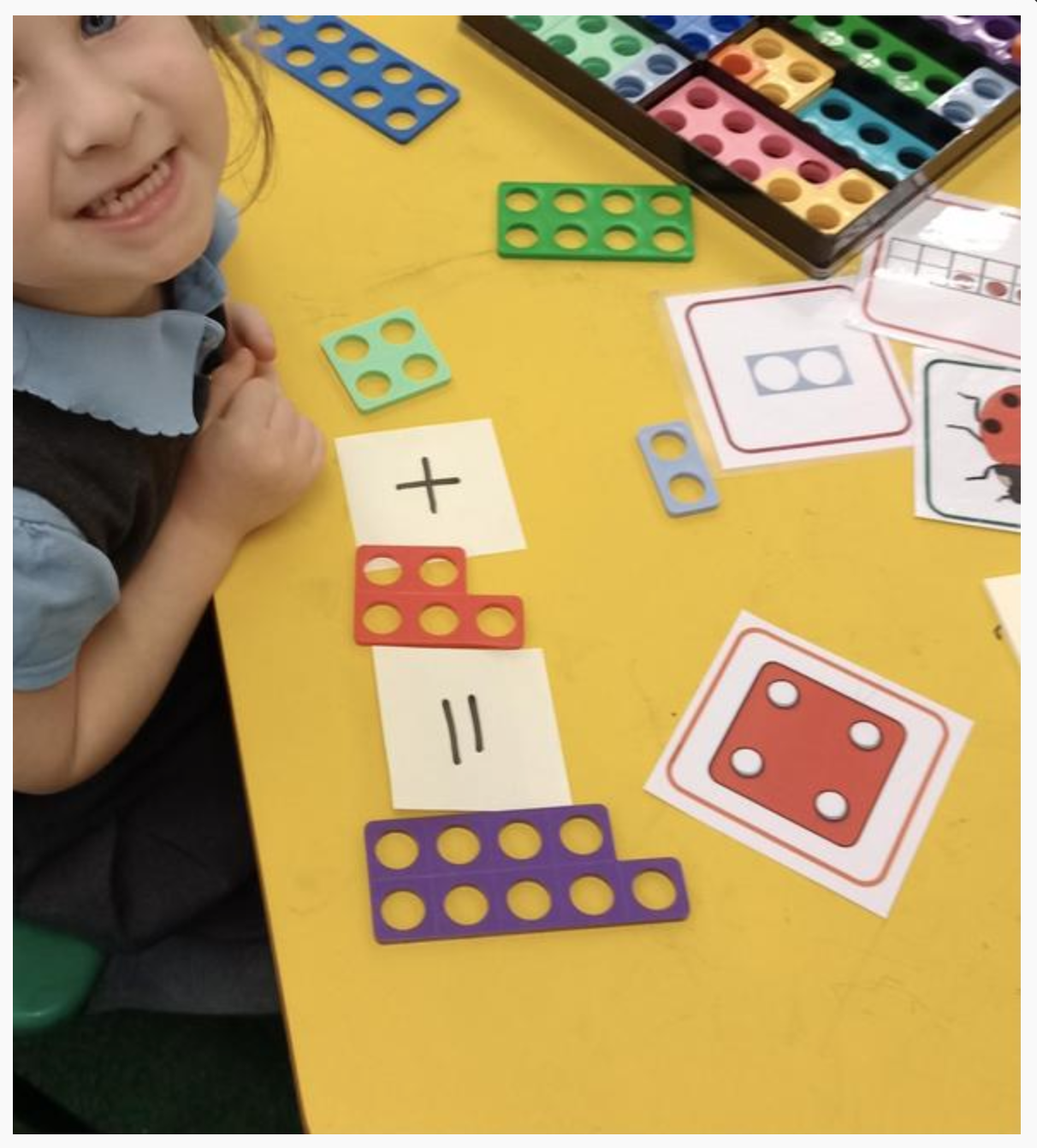
Children in Reception independently choosing equipment to show understanding of addition
-
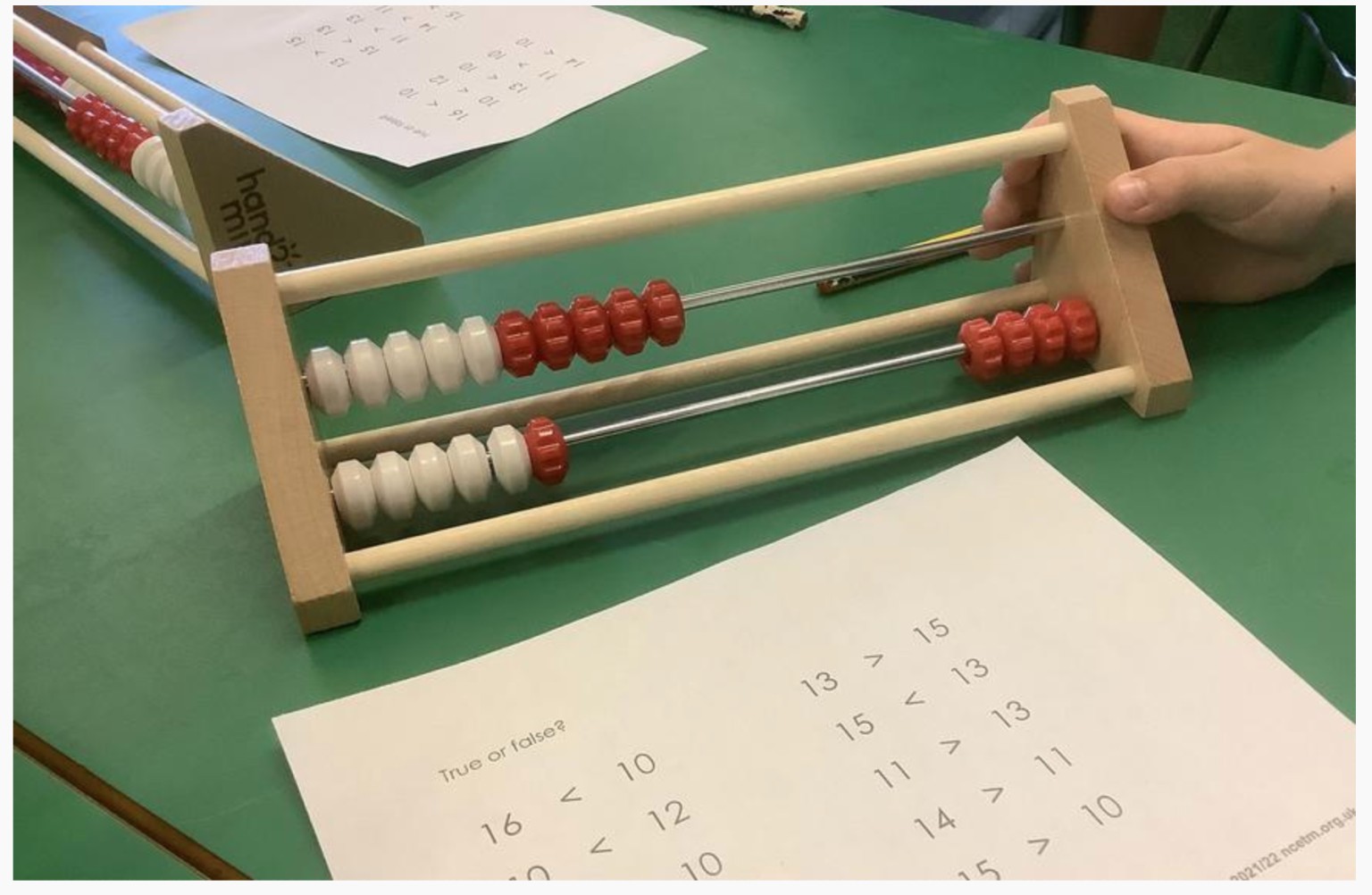
Children using rekenreks to compare numbers
-
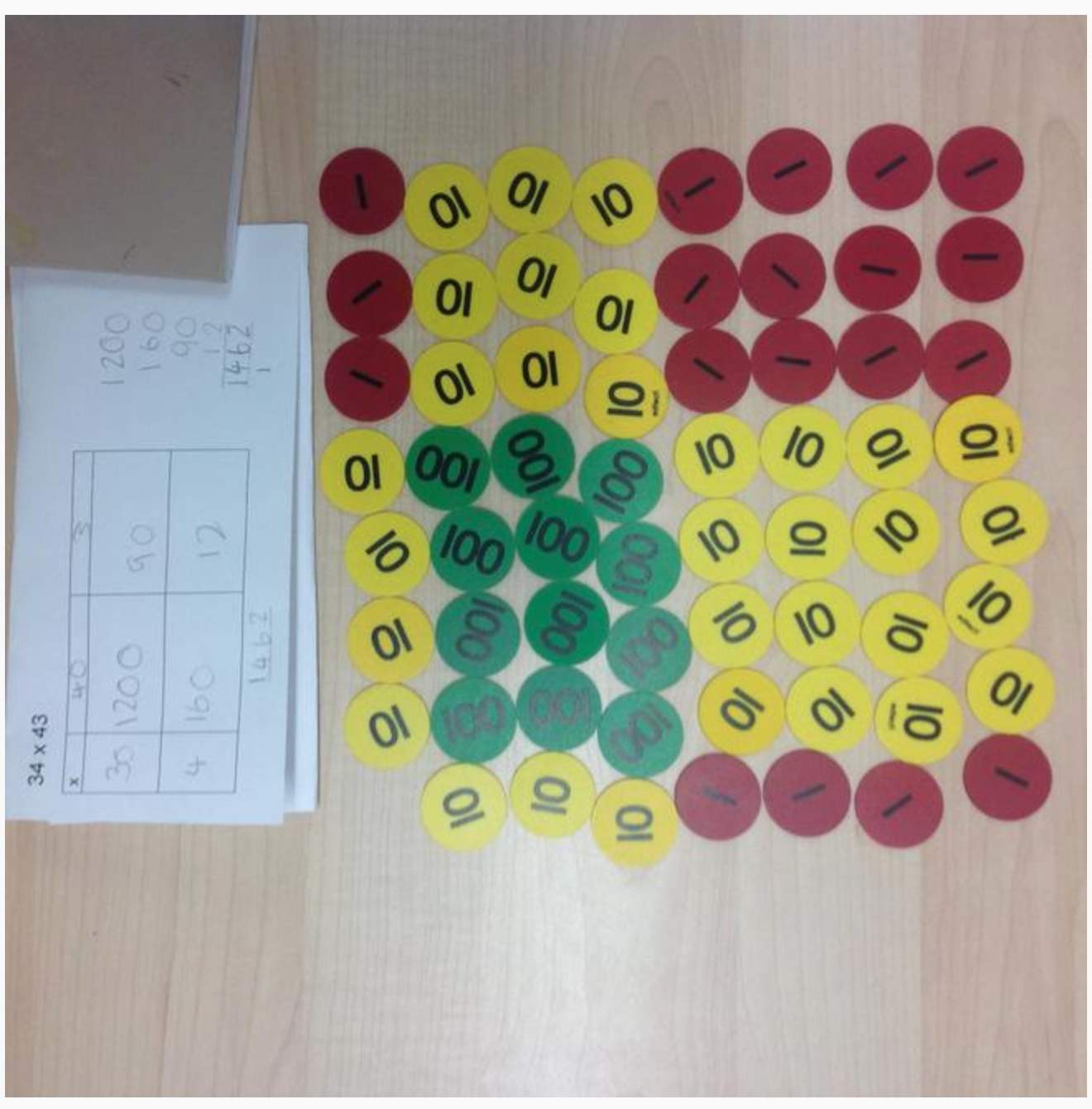
Understanding multiplication using place value counters
-
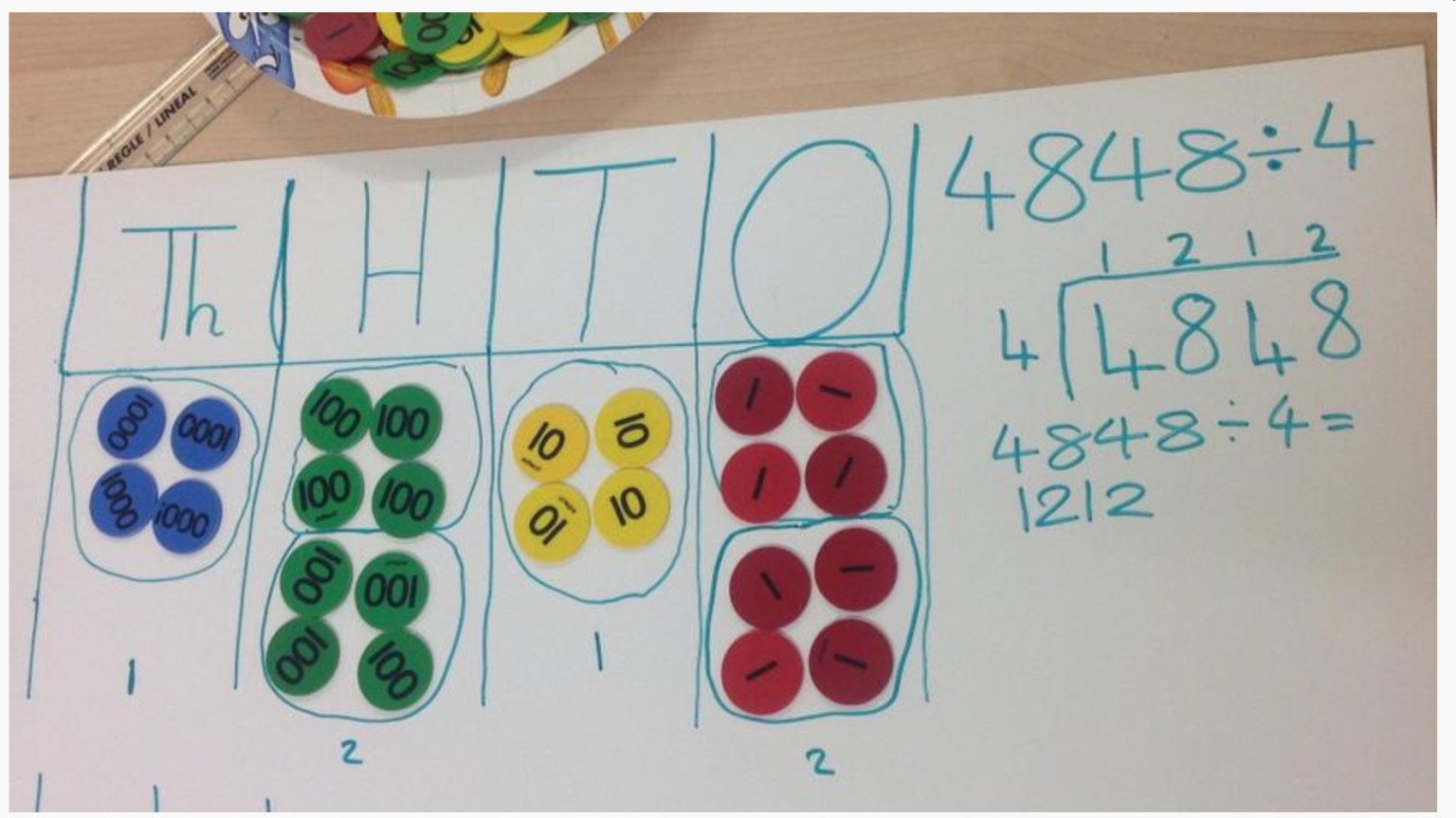
Understanding division using place value counters
-
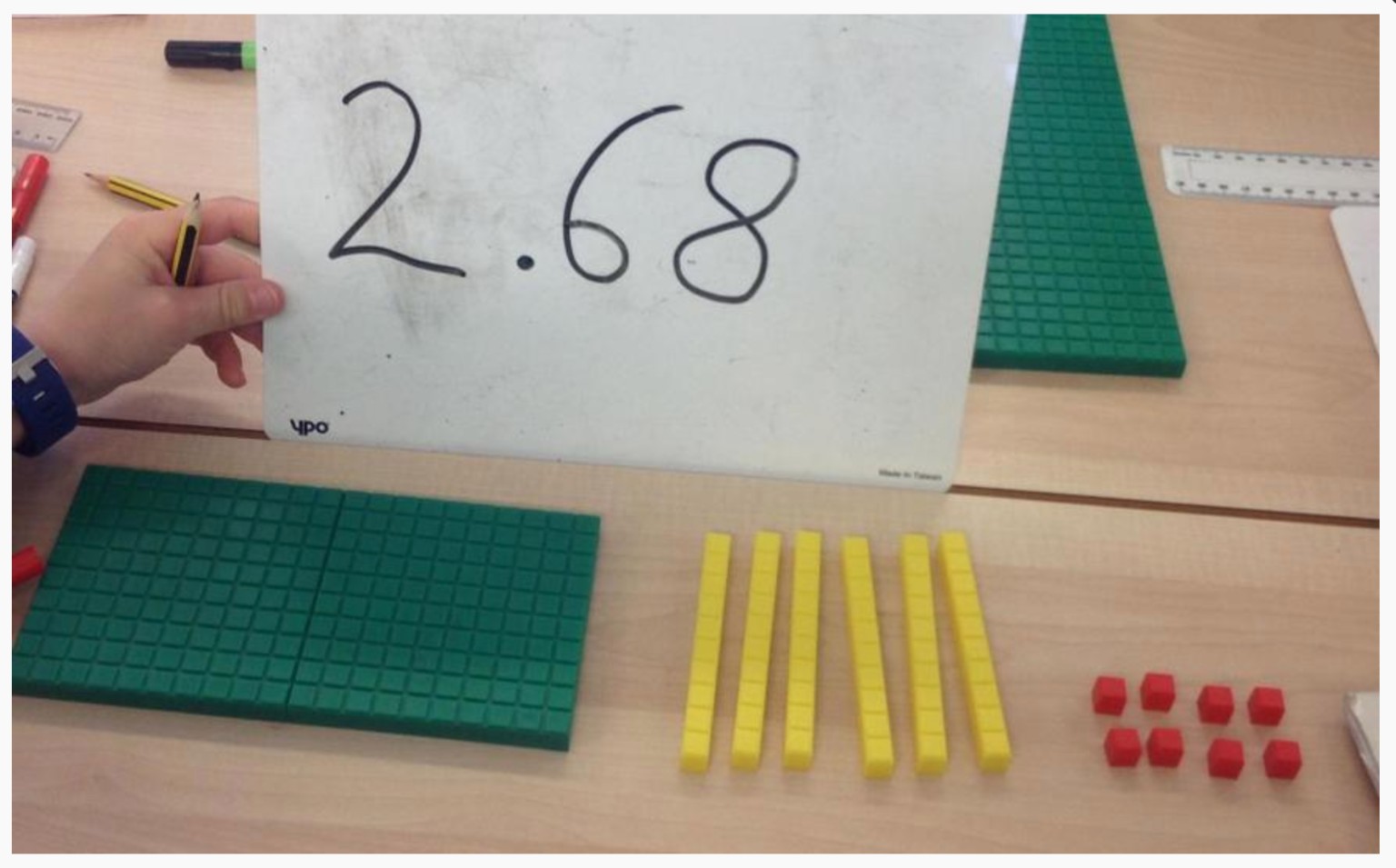
Understanding the value of decimals using base 10
-
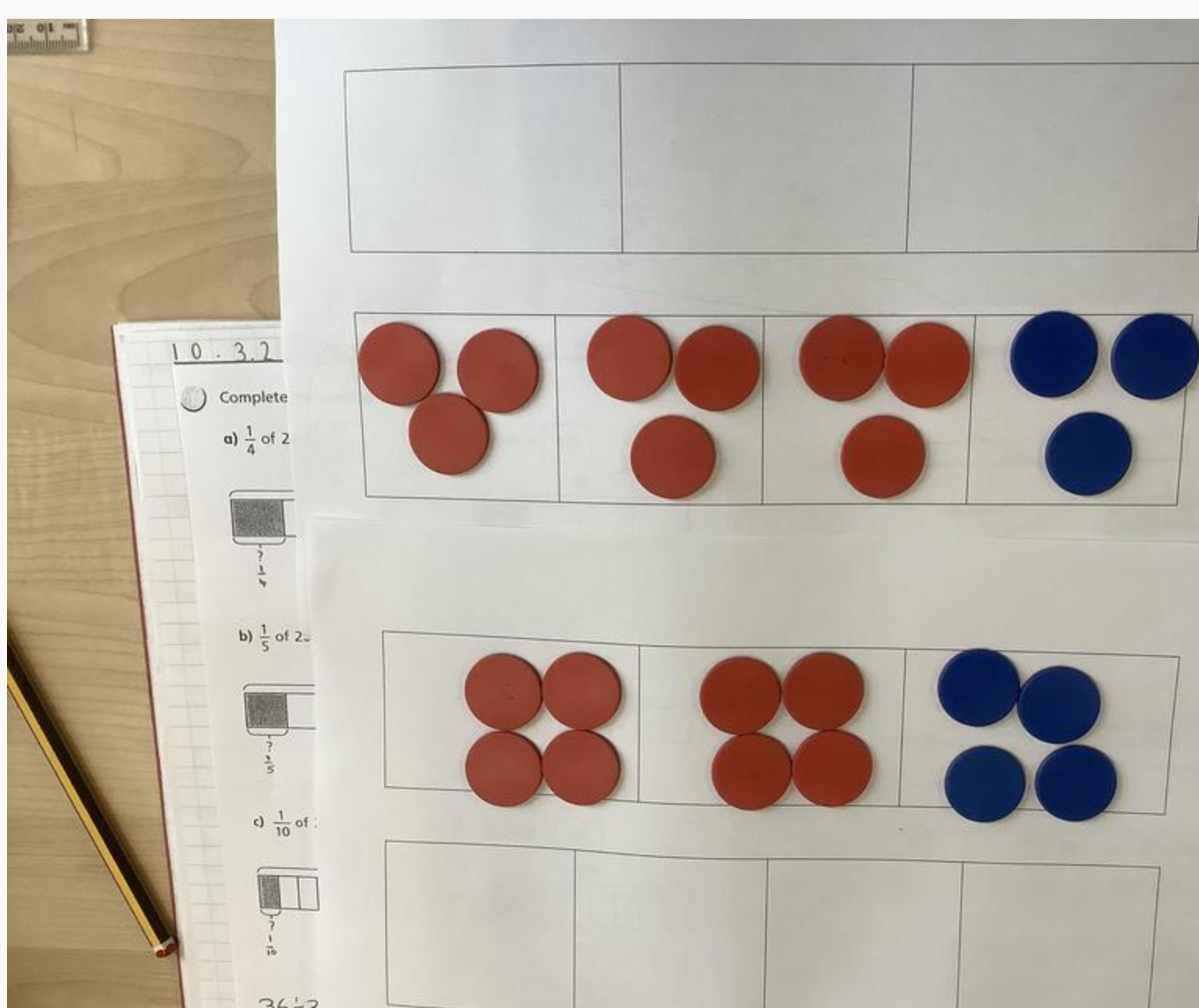
Finding one third and one quarter of 12
-
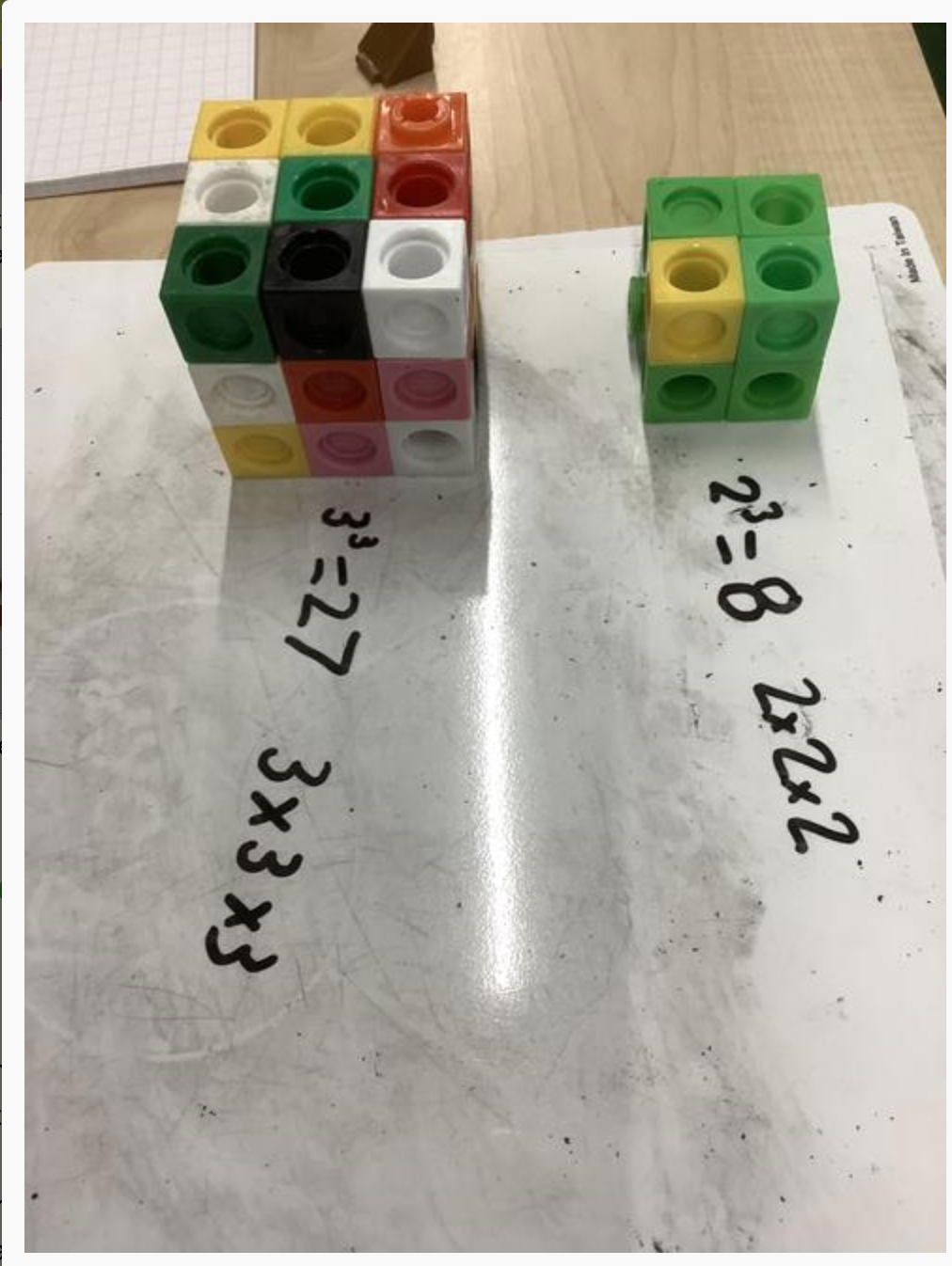
Representing cube numbers practically
-
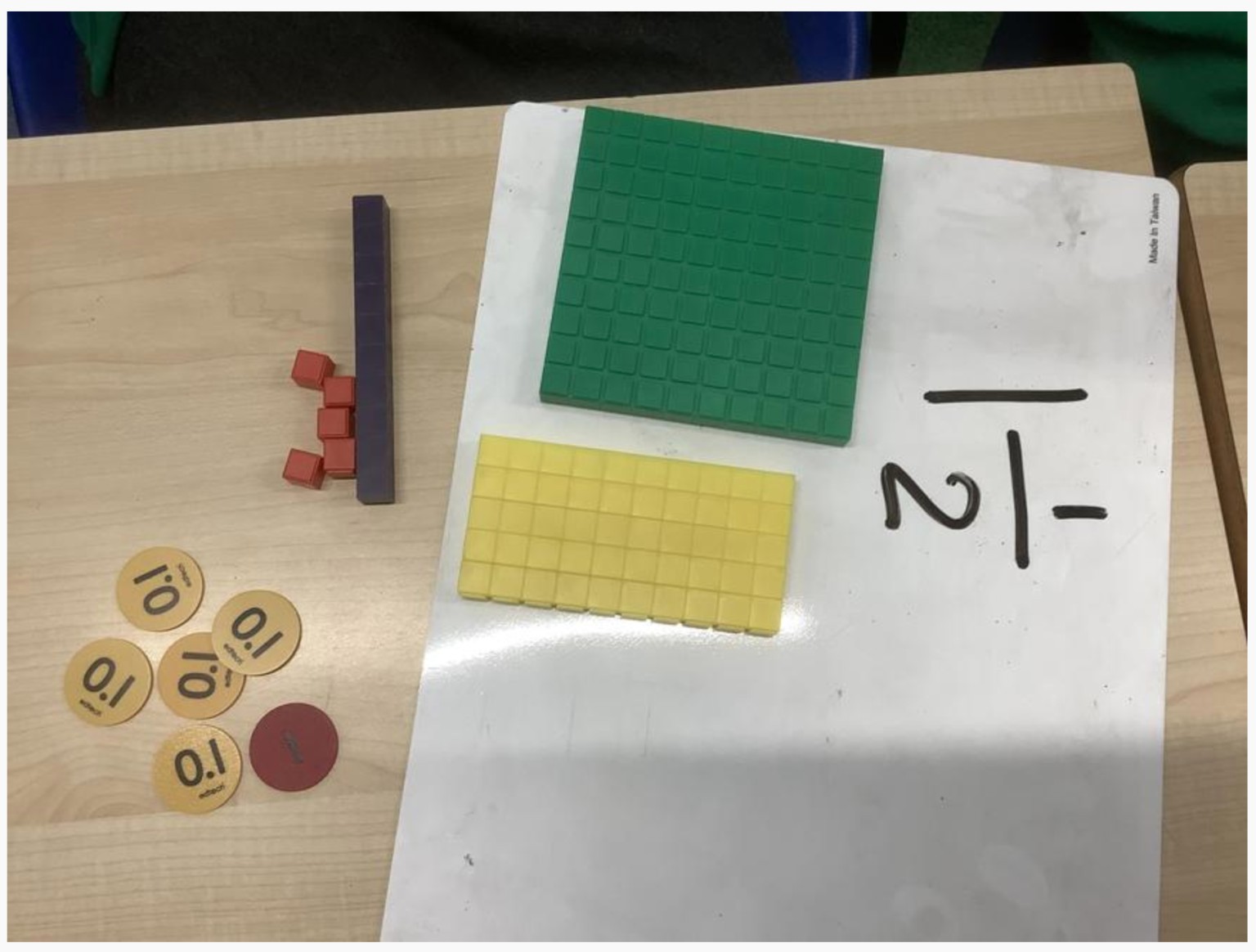
Using a range of manipulatives to represent a number
What do our parents and carers say about maths?
"The techniques used to help kids learn are really good. Practical learning through objects helps them to visualise the scenario, which is the most efficient way of making them learn in a real world scenario."
"It was good to see how they play and learn maths to make it fun and it gave us an idea of how to do more at home." - comment from a stay and play in Early Years.
What do our children say about maths?
"Maths lessons are fun and challenging"
"The most important thing is not the answer - it's knowing how to do things"
"Reasoning means explaining how you know"
"Bar models help me to see the problem"
Focus on problem solving
-
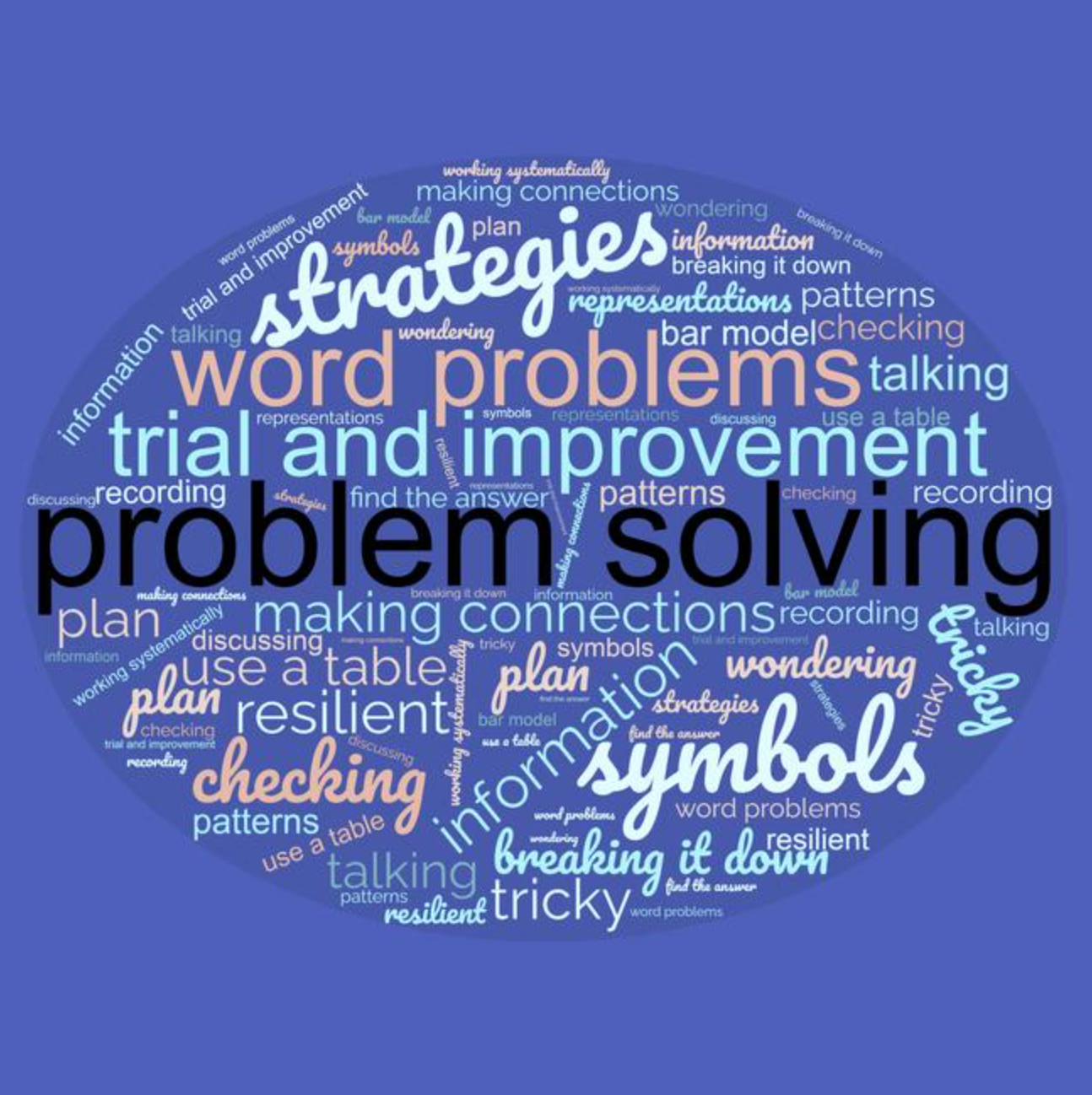
Word cloud representing Y5 children's thoughts on problem solving
Maths Games